


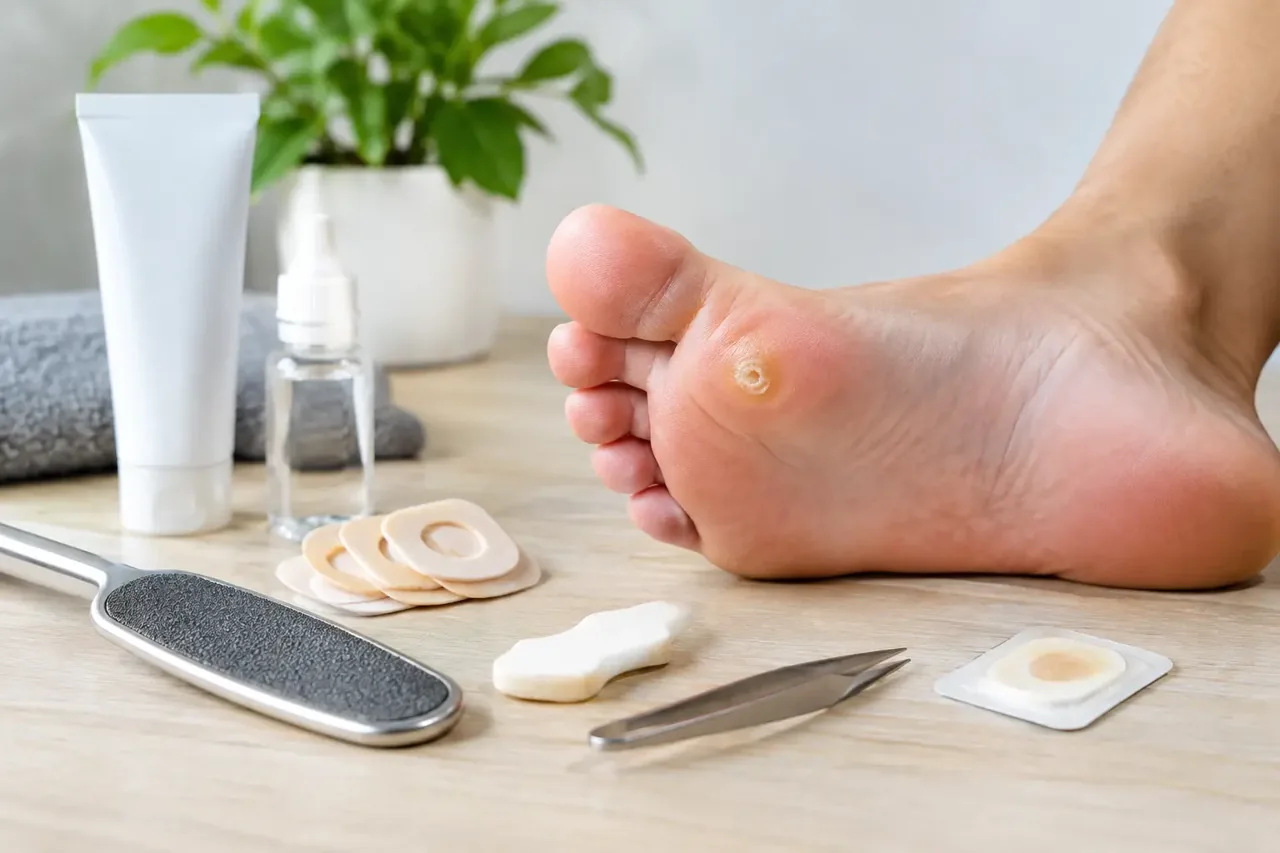
Best Corn Removal Options for Lasting Relief
A corn can be very small but make every step feel disproportionately painful. The best corn removal options depend on where it is, how deep it has become, why it formed and whether there are any health factors that make self-treatment unsafe. Removing the hard skin may bring relief, but lasting results usually require attention to the pressure or friction that caused it.
What is a corn and why does it keep returning?
A corn is a localised area of hard skin that develops in response to repeated pressure or rubbing. Unlike a callus, which tends to be broader and more diffuse, a corn usually has a concentrated central core. This can press into the skin beneath it and cause sharp pain, particularly when walking or wearing close-fitting shoes.
Hard corns commonly develop on the tops or tips of toes, on the ball of the foot or around bony prominences. Softer corns can occur between toes, where moisture keeps the skin more pliable. Both can be uncomfortable, but the treatment approach may differ.
Corns are often linked to footwear that is too narrow, shallow or loose enough to allow the foot to slide. They may also develop because of toe shape, prominent joints, reduced natural cushioning under the forefoot, bunions, hammertoes or changes in the way the foot loads during walking. This is why a corn that is repeatedly pared away at home can return in the same place within weeks.
It is also worth confirming that the lesion is genuinely a corn. Verrucae, small foreign bodies, certain skin conditions and painful callused areas can look similar. A clear diagnosis avoids treating the wrong problem.
Best corn removal options: choosing the right level of care
There is no single best method for everyone. A minor corn in an otherwise healthy person may respond to careful pressure reduction and appropriate home care. A recurrent, painful or uncertain lesion is better assessed by a podiatrist.
Professional podiatry treatment
For immediate relief, professional corn removal is often the most predictable option. A podiatrist examines the skin and surrounding foot structure, confirms the diagnosis and carefully reduces the hardened skin with sterile instruments. When appropriate, the central core is removed during the appointment.
This is a precise procedure and should not be painful, although a very inflamed corn may be tender before treatment begins. Most people notice a significant improvement in comfort straight afterwards. The aim is not simply to remove skin, but to assess why that specific point is being overloaded.
A podiatry assessment may include advice on footwear, toe spacers, cushioning pads or offloading devices. Where foot mechanics are contributing to repeated high pressure, orthoses or shoe modifications may be considered. The right option depends on the area affected, your activity levels, the shape of your feet and the footwear you need to wear day to day.
At South London Foot Clinic, treatment is consultation-led, so the visible corn is considered alongside the cause of pressure and any wider foot symptoms. This helps create a practical plan rather than relying on repeated short-term removal alone.
Salicylic acid corn treatments
Pharmacy corn plasters, liquids and gels commonly contain salicylic acid. This ingredient softens and breaks down hard skin over several days. It can be useful for some adults with a straightforward corn, provided it is applied exactly as directed and only to the affected area.
The main drawback is that salicylic acid does not distinguish between corn tissue and healthy skin. If it spreads beyond the lesion, it can irritate or damage the surrounding skin. Corn plasters may also shift position inside a shoe, particularly on toes or weight-bearing areas.
Do not use acid-based corn treatments without professional advice if you have diabetes, poor circulation, peripheral neuropathy, reduced sensation, fragile skin, a history of foot ulcers or an impaired immune system. In these circumstances, even a small chemical burn or break in the skin can become a serious concern. The same caution applies if you are unsure whether the lesion is a corn or a verruca.
Gentle skin care and pressure relief at home
If the corn is mild and you have no relevant medical risk factors, gentle self-care can reduce discomfort. Soaking is not essential, but a brief warm wash can soften surface skin. A foot file or pumice may then be used lightly on hard skin only. Avoid trying to dig out the centre of a corn.
Moisturising the feet regularly can help maintain skin flexibility, though cream should not be applied heavily between toes where it may encourage excessive moisture. For a corn caused by rubbing, a simple non-medicated protective pad or toe separator may give short-term relief while you address footwear.
Do not cut corns with scissors, blades or nail clippers. It is easy to remove too much skin, cause bleeding or introduce infection. Home surgery is particularly risky on the sole of the foot, where a lesion may be deeper than it appears.
Footwear changes
Shoes are not always the original cause, but they are often the factor that keeps a corn active. Look for adequate width across the forefoot, sufficient depth over the toes and a fastening that holds the heel in place without forcing the toes forwards. A shoe that feels acceptable when first tried on may still create pressure after several hours of walking.
For corns on the top of the toes, deeper toe boxes and soft uppers can make a meaningful difference. For corns under the ball of the foot, cushioning alone may not be enough if a particular metatarsal area is taking too much load. In that situation, a podiatrist can assess whether an insole adjustment, padding strategy or orthotic device could redistribute pressure more effectively.
When a corn needs professional assessment
Arrange a podiatry appointment if a corn is painful, returns quickly after treatment, changes appearance or interferes with walking, work or exercise. Assessment is also sensible if you have several corns, a toe deformity, persistent forefoot pain or difficulty finding shoes that do not rub.
Seek prompt clinical advice if the area becomes red, hot, swollen, broken, weepy or increasingly painful. These signs may indicate skin damage or infection rather than a simple corn. People with diabetes, reduced circulation or numbness in the feet should have new areas of hard skin checked rather than treating them independently.
A recurring corn is useful clinical information. Its location can point to a pressure pattern, a footwear conflict or a change in foot structure that deserves attention. Treating that pattern can reduce the frequency of future appointments and make walking more comfortable.
Preventing a corn after it has been removed
Prevention is usually more realistic than a permanent cure, especially where toe shape or joint position creates a natural pressure point. Regular skin care, well-fitting footwear and early attention to small areas of rubbing are often enough to keep symptoms controlled.
If you exercise regularly, check your training shoes before they become visibly worn. Changes in sole cushioning or upper material can alter pressure under the foot. Runners, walkers and people who stand for long periods may benefit from reviewing both work shoes and activity footwear, as the problem is not always caused by the pair worn most often.
A corn should not be something you simply tolerate between appointments. Once the source of pressure is identified, treatment can be planned around both immediate relief and the practical changes needed to help the skin stay comfortable.