


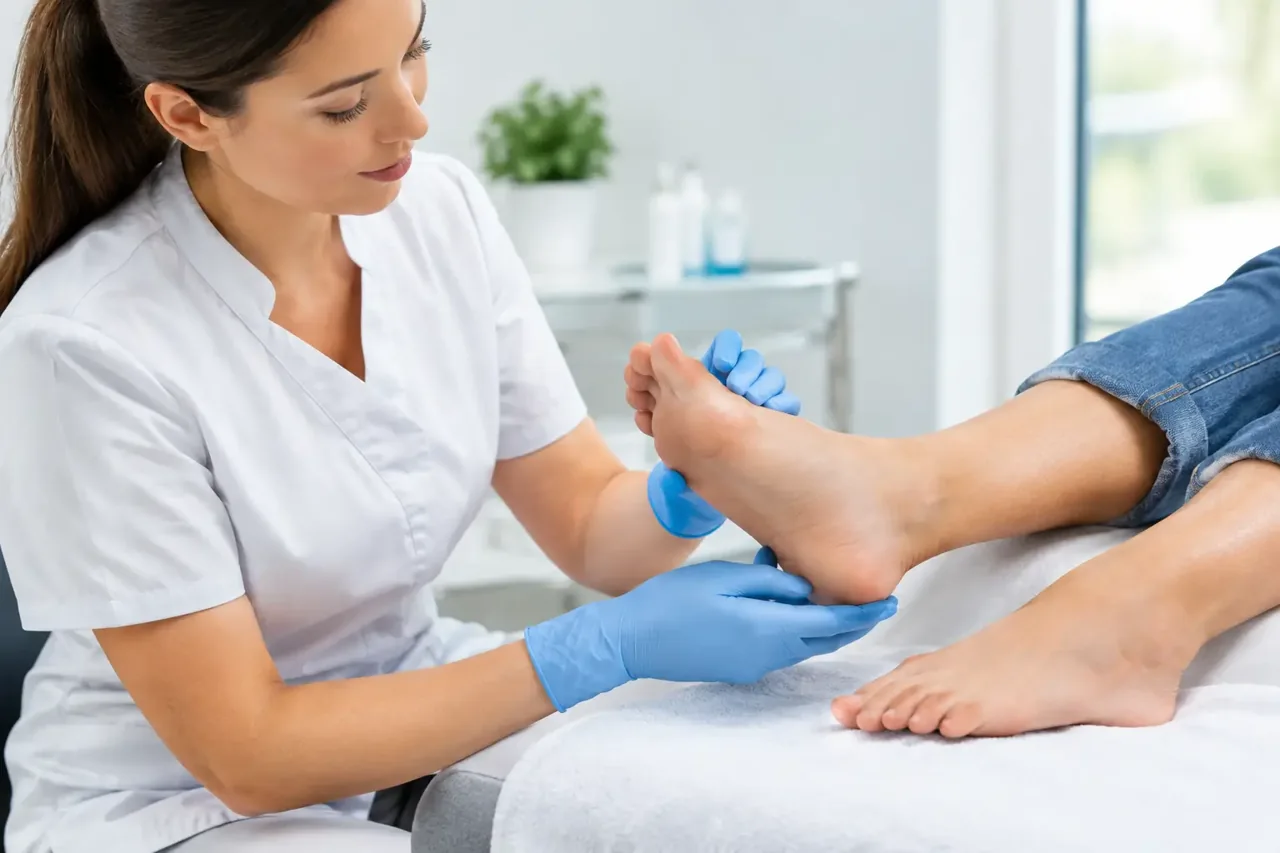
Chiropody Podiatry for Healthy, Pain-Free Feet
Foot discomfort is easy to put off. A painful corn may seem minor, a thickened nail may be managed at home for months, and heel pain may be blamed on a change in shoes or a busy week. Yet persistent symptoms can alter how you walk, restrict activity and, in some cases, lead to wider ankle, knee, hip or back problems. Chiropody podiatry provides structured assessment and treatment for these concerns, from routine skin and nail care to more complex foot and lower-limb pain.
The right appointment should do more than temporarily make a foot feel better. It should establish what is causing the problem, identify any factors that are likely to keep it returning, and give you a practical plan for managing it.
What is chiropody podiatry?
Chiropody is the traditional term many people still use for professional foot care. Podiatry is the modern clinical term and reflects the broader scope of practice. In the UK, chiropodist and podiatrist are protected professional titles. A practitioner using either title must be registered with the Health and Care Professions Council.
In everyday use, chiropody often brings to mind routine treatment for hard skin, corns, calluses and troublesome nails. Podiatry includes this essential care but also covers assessment of foot, ankle and lower-limb pain, gait and biomechanics, sports injuries, diabetic foot risk, nail surgery, orthotic prescription and rehabilitation.
The distinction matters because a painful foot is not always simply a skin or nail issue. A hard area of skin may form because pressure is repeatedly concentrated in one location. An ingrowing toenail may be affected by nail shape, footwear, injury or cutting habits. Heel pain may involve the plantar fascia, a tendon, a nerve or another structure entirely. Treating the visible symptom can provide relief, but long-term improvement depends on understanding the cause.
When to book a chiropody or podiatry assessment
A single episode of mild discomfort may settle with rest, suitable footwear and simple self-care. An assessment is more appropriate when symptoms persist, recur or interfere with walking, work, exercise or sleep.
Common reasons to see a podiatrist include painful corns or calluses, cracked heels, thickened or difficult-to-cut nails, suspected fungal nail changes, verrucae, ingrowing toenails and recurring blisters. Many patients also attend for pain in the heel, ball of the foot, arch, ankle, shin or forefoot, particularly when they are unsure why it has developed.
Active people often benefit from early assessment rather than trying to train through pain. Runners may notice heel pain after increasing mileage, forefoot pain in tighter footwear or tendon symptoms following a change in terrain. Equally, people who spend long periods standing at work may develop pressure-related pain even without taking part in sport.
Some symptoms need prompt medical attention. Seek urgent advice for a hot, red, swollen foot; rapidly spreading redness; an open wound; a sudden inability to bear weight; unexplained numbness; or signs of infection around a nail. People with diabetes, poor circulation, loss of sensation or a history of foot ulceration should not attempt to manage cuts, corns or ingrowing nails themselves without professional guidance.
A diagnosis-led approach to foot pain
Good podiatry begins with listening. Your clinician should ask when the symptoms started, what makes them better or worse, whether there has been an injury, and how the issue affects your normal activity. Footwear, work demands, exercise habits, medical history and previous treatment can all provide useful clinical clues.
The physical examination then looks at more than the painful point. It may include observation of skin and nails, joint movement, muscle strength, tenderness, swelling, circulation, nerve sensation and the way you stand or walk. This helps separate problems that can appear similar but require different management.
For some heel, ankle, tendon or forefoot conditions, diagnostic ultrasound can add valuable detail. It can assess soft-tissue structures in real time and help identify changes such as plantar fascia thickening, tendon irritation, fluid around a joint or a suspected soft-tissue lesion. It is not required for every symptom, and it should not be used simply because it is available. Used where clinically indicated, it can provide faster clarity and support a more precise treatment plan.
At South London Foot Clinic, the emphasis is on a consult, scan, discuss, treat approach when imaging is appropriate. The aim is to avoid separating diagnosis from treatment planning. You should leave with a clear explanation of what has been found, what it means for your activity, and which options are reasonable for your situation.
Treatment depends on the cause
Routine chiropody care can be highly effective when pain is caused by excess hard skin, corns, problematic nails or superficial lesions. Careful reduction of hard skin and corns can reduce pressure immediately. Nail treatment can improve comfort, reduce the risk of snagging and help manage nails that have become thickened, curved or difficult to cut safely.
However, repeated treatment alone may not prevent a problem from returning. If a corn develops under the same part of the forefoot, pressure redistribution may be needed. This might involve footwear advice, cushioning, padding or custom orthotics. The best option depends on your foot shape, symptoms, daily footwear and activity level.
For musculoskeletal pain, treatment may include a period of activity modification, targeted rehabilitation, footwear changes, manual techniques or orthotic support. Some conditions respond to a gradual strengthening programme; others need a short period of reduced loading before rehabilitation can begin. There is no benefit in offering the same treatment to every patient with heel or ankle pain.
More advanced options can be considered when clinically justified. These may include injection therapy for selected inflammatory or joint-related conditions, viscosupplementation in appropriate cases, or procedural treatment for persistent verrucae. Verruca management may involve treatments such as Swift therapy or needling, but choice should reflect the lesion, its location, duration, level of pain and your wider health.
Persistent ingrowing toenails may require nail surgery. This is usually considered when conservative care has not solved the problem, when infection recurs, or when the shape of the nail means it repeatedly pierces the skin. A proper consultation explains the procedure, recovery expectations and aftercare before a decision is made.
What makes foot treatment more likely to last?
The answer is usually a combination of professional treatment and realistic changes outside the clinic. A corn can be removed, but narrow or worn footwear may recreate the pressure that caused it. Heel pain can improve, but an abrupt return to long walks or running may bring symptoms back. Orthotics can help in the right circumstances, but they work best as part of a plan rather than as a replacement for diagnosis and rehabilitation.
Follow-up should be based on the condition rather than a fixed schedule. Some people need a single appointment and clear self-management advice. Others benefit from a short treatment course, repeat skin or nail care, rehabilitation review, or monitoring while they return to activity. The important point is that the plan has a purpose and that progress is reviewed honestly.
Choosing the right clinician
When selecting chiropody podiatry care, look for HCPC registration, a thorough consultation and clear explanations before treatment starts. Ask how the clinician reaches a diagnosis, whether imaging is available when it is genuinely useful, and what the expected next steps will be if symptoms do not improve.
Be cautious of promises of an instant cure, particularly for persistent pain or longstanding nail and skin concerns. Good clinical care is reassuring, but it is also realistic. Recovery times vary, and the most appropriate treatment may change as your symptoms, activity and response to care become clearer.
If a foot problem is affecting the way you move, do not wait for it to become your normal. A careful assessment can replace uncertainty with a plan that protects comfort, mobility and confidence in every step.